

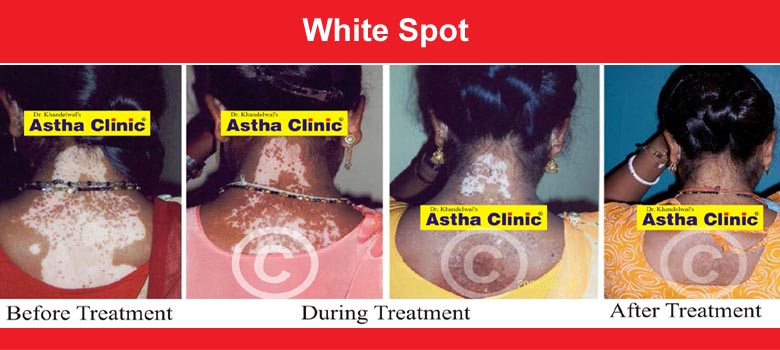
Vitiligo (White Spot)
Leucoderma, medically known as Vitiligo is a chronic skin disorder that causes de-pigmentation of skin. It causes discolouration of parts of skin forming patches due to gradual decrease of melanin from the dermal layers or when the skin cells known as melanocytes, which are responsible for the pigmentation of skin are unable to function. Melanin … Continue reading Vitiligo (White Spot)

White Discharge (Leucorrhoea)
Leucorrhoea is commonly known as whitish discharge from the female genitals. . It may be thick, viscid and foul smelling. It is an abnormal disease condition of the reproductive organs of women. The condition may continue for weeks or months at a time. Whenever the body is loaded with toxins due to wrong dietary habits … Continue reading White Discharge (Leucorrhoea)
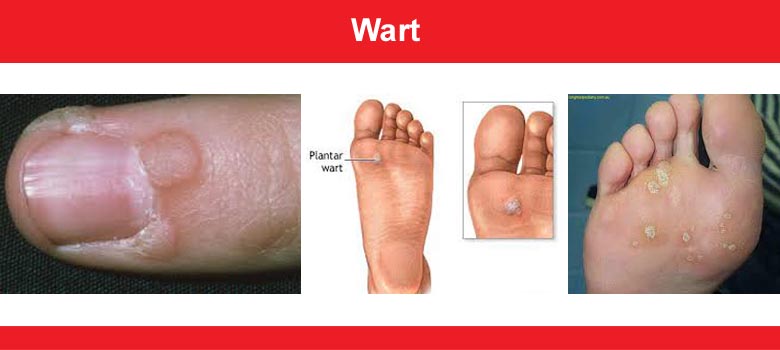
Wart
Wart is a small, rough growth resembling a cauliflower or a solid blister. It typically occurs on humans’ hands or feet but often in other locations. Warts are caused by a viral infection, specifically by one of the many types of human papillomavirus (HPV). Types Types of wart have been identified, varying in shape and … Continue reading Wart
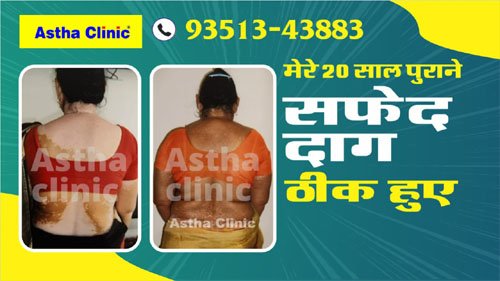
Vitiligo (White Spot)
Leucoderma, medically known as Vitiligo is a chronic skin disorder that causes de-pigmentation of skin. It causes discolouration of parts of skin forming patches due to gradual decrease of melanin from the dermal layers or when the skin cells known as melanocytes, which are responsible for the pigmentation of skin are unable to function. Melanin … Continue reading Vitiligo (White Spot)
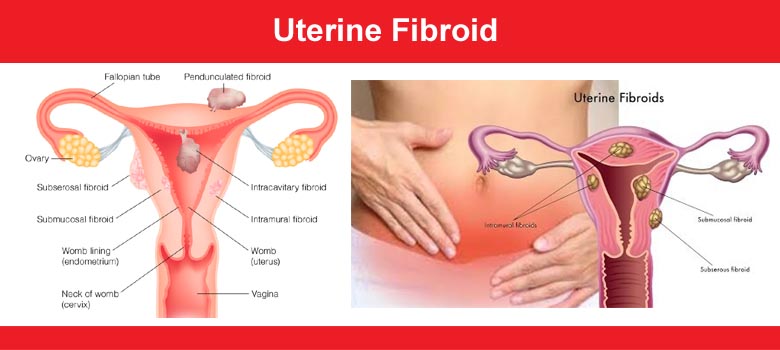
Uterine Fibroid
Uterine fibroids are non-cancerous growths that develop in or just outside a woman’s uterus (womb). Uterine fibroids develop from normal uterus muscle cells that start growing abnormally. Causes of Uterine fibroids The exact cause of Uterine Fibroid is still not clear but their growth appears to depend on increasing estrogen hormone levels. Genetic factors are … Continue reading Uterine Fibroid
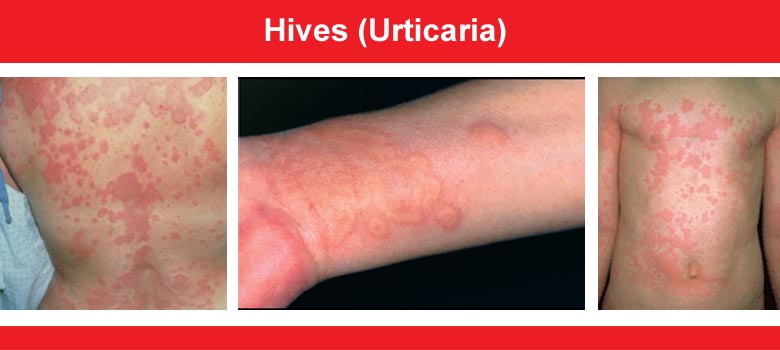
Urticaria (hives)
Urticaria, also known as hives, is an outbreak of swollen, pale red bumps or plaques on the skin that appear suddenly — either as a result of the body’s reaction to certain allergens or for unknown reasons. Hives usually cause itching, but may also burn or sting. They can appear anywhere on the body, including … Continue reading Urticaria (hives)
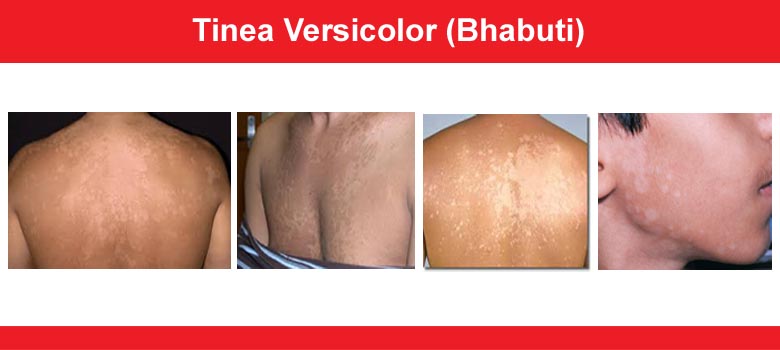
Tinea Versicolor (Bhabuti)
Tinea versicolor is a fungal infection of the skin. It’s also called pityriasis versicolor and is caused by a type of yeast that naturally lives on your skin. It often affects adolescents and young adults. The most common areas it affects are the shoulders, back, and chest.Tinea versicolor patches that are brown or reddish-brown go … Continue reading Tinea Versicolor (Bhabuti)

Spermatorrhoea (Dhat)
Discharge of white sticky substance along with the urine is called Spermatorrhea. It is caused due to excessive masturbation or sex. It is also caused due inefficient digestive system and general weakness. If not treated in time, it can promote various sexual and other weaknesses hence it requires treatment to avoid further threat to sexual … Continue reading Spermatorrhoea (Dhat)
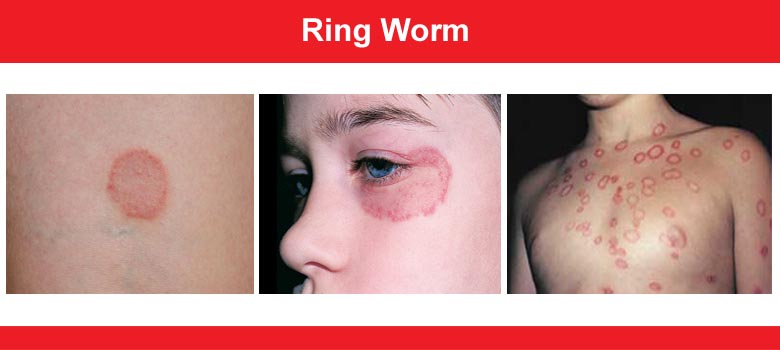
Ringworm (Fungal Rash)
Ringworm is a common skin infection that is caused by a fungus. It’s called “ringworm” because it can cause a circular rash (shaped like a ring) that is usually red and itchy. Anyone can get ringworm. The fungi that cause this infection can live on skin, surfaces, and on household items such as clothing, towels, … Continue reading Ringworm (Fungal Rash)
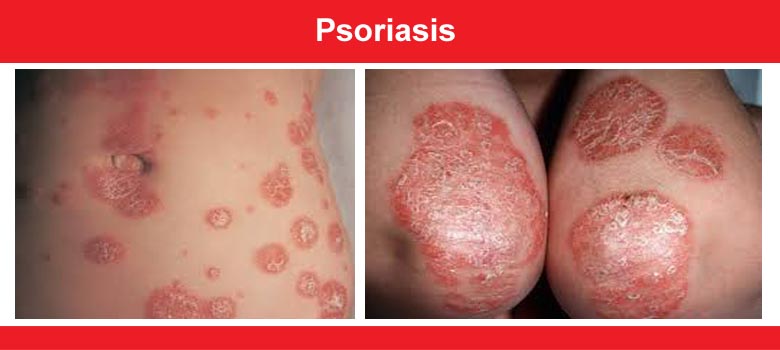
Psoriasis
Psoriasis is an inflammatory skin condition in which red patches of various size develop on the skin covered with dry, silvery scales. There are five types, each with unique signs and symptoms. Between 10% and 30% of people who develop psoriasis get a related form of arthritis called “psoriatic arthritis,” which causes inflammation of the … Continue reading Psoriasis
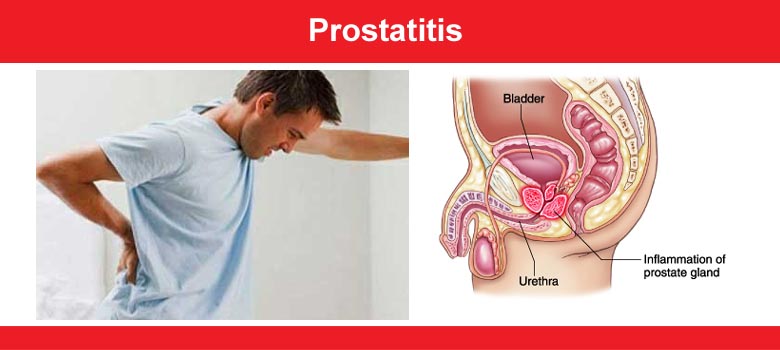
Prostatitis
Prostate is a walnut size gland weighing about 15 to 25 grams, in males. Prostatitis is swelling and irritation of the prostate gland. The condition is called bacterial prostatitis when it is caused by an infection with bacteria. Prostatitis Types Acute Bacterial Prostatitis (ABP) It is inflammation of the prostate gland caused by bacteria such … Continue reading Prostatitis

Premature Ejaculation (Early Ejaculation)
Premature ejaculation is uncontrolled ejaculation either before or shortly after sexual penetration, with minimal sexual stimulation and before the person wishes. It may result in an unsatisfactory sexual experience for both partners. This can increase the anxiety that may contribute to the problem. Premature ejaculation is one of the most common forms of male sexual … Continue reading Premature Ejaculation (Early Ejaculation)
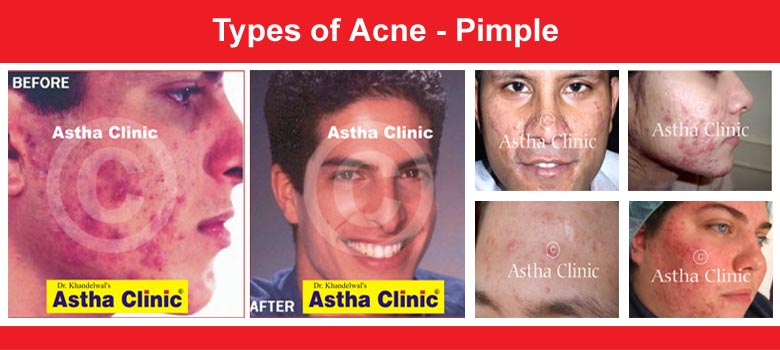
Pimples (Acne)
Acne is a skin condition that occurs when your hair follicles become plugged with oil and dead skin cells. Acne most commonly appears on your face, neck, chest, back and shoulders. Acne can be distressing and annoyingly persistent. Acne lesions heal slowly, and when one begins to resolve, others seem to crop up. Types of … Continue reading Pimples (Acne)
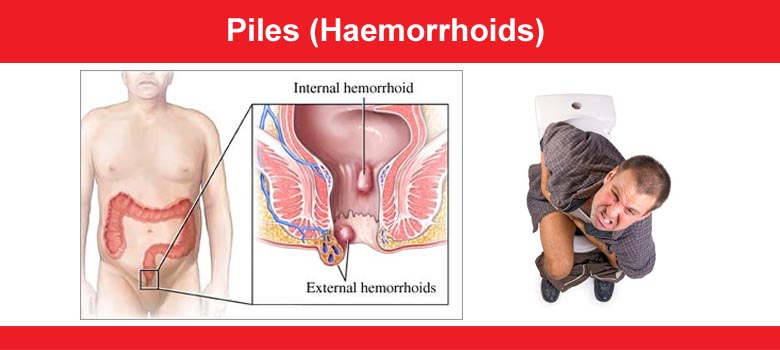
Piles (haemorrhoids)
Haemorrhoids are swollen blood vessels in or around the anus and rectum. The haemorrhoidal veins are located in the lowest part of the rectum and the anus. Sometimes they swell so that the vein walls become stretched, thin, and irritated by passing bowel movements. Haemorrhoids are classified into two general categories- Internal and External. Internal … Continue reading Piles (haemorrhoids)
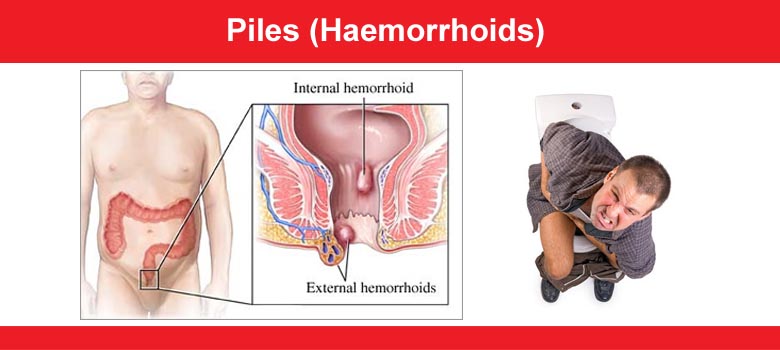
Piles-Bleeding
Haemorrhoids are swollen blood vessels in or around the anus and rectum. The haemorrhoidal veins are located in the lowest part of the rectum and the anus. Sometimes they swell so that the vein walls become stretched, thin, and irritated by passing bowel movements. Haemorrhoids are classified into two general categories- Internal and External. Internal … Continue reading Piles-Bleeding
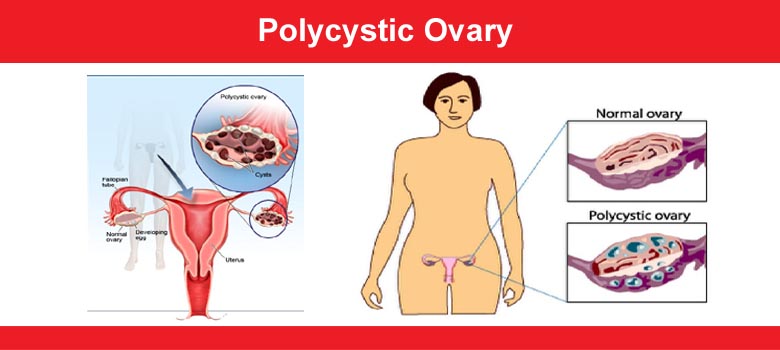
Ovarian Cyst (PCOD)
Cysts are fluid-filled sacs that can form in the ovaries. They are very common. They are particularly common during the childbearing years. There are several different types of ovarian cysts. The most common is a functional cyst. It forms during ovulation. Types of cyst Polycystic ovaries- In polycystic ovary syndrome (PCOS), the follicles in which … Continue reading Ovarian Cyst (PCOD)

Oligospermia (Low Sperm Count)
Low sperm count means the fluid (semen) which ejaculate during intercourse contains fewer sperm than normal. Low sperm count is one of the main causes of male infertility. It is considered that a man has low sperm count when he has less than 20 million spermatozoa per one ml of ejaculate. A low sperm count … Continue reading Oligospermia (Low Sperm Count)

Obesity
Obesity and overweight are defined as an accumulation of excess body fat. Obesity is a condition in which the natural energy reserve, stored in the fatty tissue of humans. Obesity Causes People gain weight when the body takes in more calories than it burns off. Those extra calories are stored as fat. The amount of … Continue reading Obesity

Night Fall (Swapndosh)
To release semen while asleep is called nightfall. More than 75% male between 16-25 age suffers from this problem. This is natural process according to modern science and Ayurveda. Nightfall in a month for once or twice is not a problem but more than two times of nightfall leads to some problem in future like … Continue reading Night Fall (Swapndosh)

Menorrhagia (Heavy Periods)
The signs of menorrhagia are heavy or prolonged vaginal bleeding. Excessively heavy bleeding is defined as when a woman soaks through her sanitary products (i.e., her tampon or pad) enough to require changing them every hour. Bleeding is considered prolonged when a period lasts longer than seven days. Other symptoms of a heavy period can … Continue reading Menorrhagia (Heavy Periods)

Metrorrhagia
Uterine bleeding at irregular intervals, particularly between the expected menstrual periods. Metrorrhagia may be a sign of an underlying disorder, such as hormone imbalance, endometriosis, uterine fibroids or less commonly cancer of the uterus. Metrorrhagia may cause significant anemia. Metrorrhagia is bleeding or spotting that occurs either Between menstrual periods Abnormal bleeding that is not … Continue reading Metrorrhagia
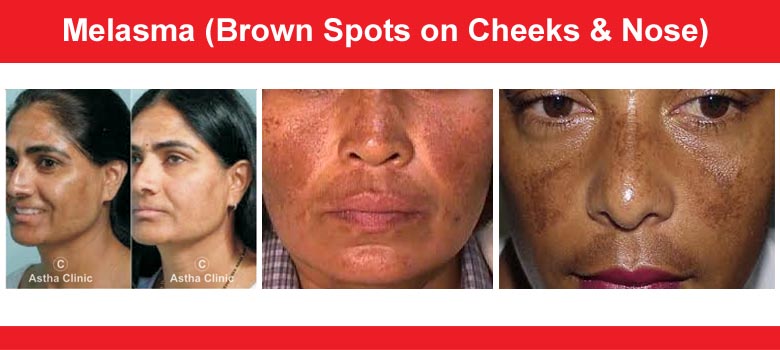
Skin Care
Melasma is an acquired hypermelanosis of sun-exposed areas. Melasma presents as symmetrically distributed hyperpigmented macules. Areas that receive excessive sun exposure, including the cheeks, the upper lip, the chin, and the forehead, are the most common locations.Chloasma is a synonymous term sometimes used to describe the occurrence of melasma during pregnancy. Causes- Melasma is a … Continue reading Skin Care

Masturbation habbit
Masturbation is the self-stimulation of the genitals to achieve sexual arousal and pleasure, usually to the point of orgasm (sexual climax). It is commonly done by touching, stroking or massaging the penis until an orgasm is achieved. Masturbation is a very common behavior, even among people who have sexual relations with a partner. Studies have … Continue reading Masturbation habbit

Male Infertility
Male infertility may be due to Decreased number of sperm Blockage that prevents the sperm from being released Defects in the sperm Male infertility can be caused by Birth defects Cancer treatments, including chemotherapy and radiation Exposure to high heat for prolonged periods Heavy use of alcohol, marijuana, or cocaine Hormone imbalance Impotence Infection Obesity … Continue reading Male Infertility
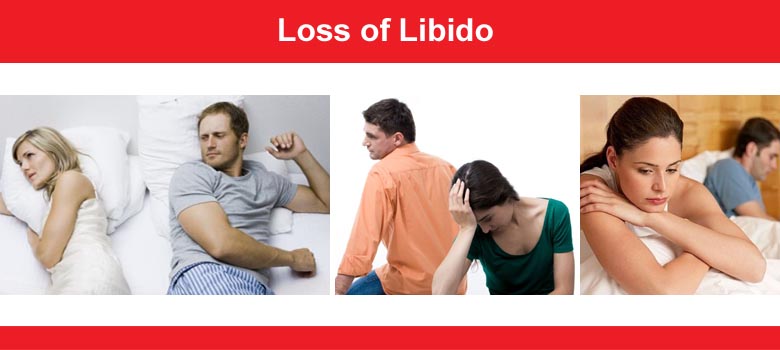
Loss of Libido (Low sex desire)
This is a Condition in which Men are able to have Sex but don’t want to do Sex called Loss of libido or Low Sex Desire. Men with low sex drive can achieve erections but have very less desire for sex. Loss of libido or lack of sex desire is the most common sexual dysfunction. … Continue reading Loss of Libido (Low sex desire)

Leucorrhoea (White Discharge)
Leucorrhoea is commonly known as whitish discharge from the female genitals. . It may be thick, viscid and foul smelling. It is an abnormal disease condition of the reproductive organs of women. The condition may continue for weeks or months at a time. Whenever the body is loaded with toxins due to wrong dietary habits … Continue reading Leucorrhoea (White Discharge)
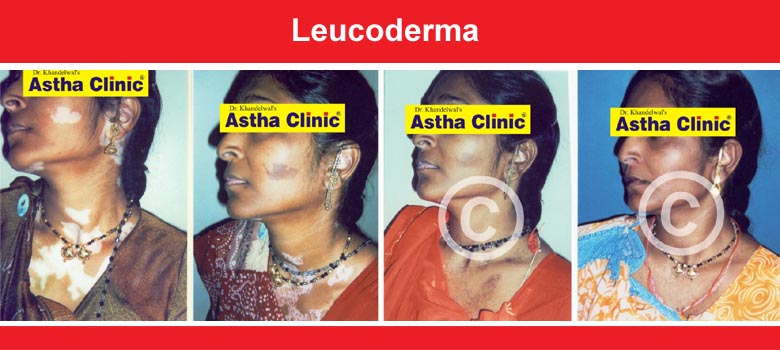
Leucoderma
Leucoderma, medically known as Vitiligo is a chronic skin disorder that causes de-pigmentation of skin. It causes discolouration of parts of skin forming patches due to gradual decrease of melanin from the dermal layers or when the skin cells known as melanocytes, which are responsible for the pigmentation of skin are unable to function.Melanin is … Continue reading Leucoderma
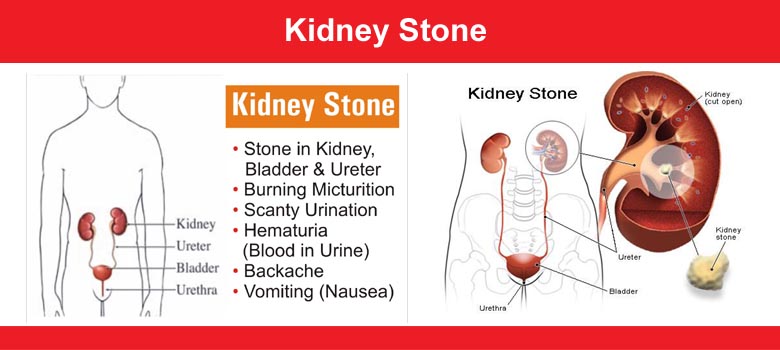
Kidney Stone (Calculus)
A kidney stone is a small stone, usually made up of calcium crystals, that forms inside the part of the kidney where urine collects. The stone usually causes little problem until it falls into the ureter, the tube that drains the kidney into the bladder, and causes an obstruction, preventing urine from draining out of … Continue reading Kidney Stone (Calculus)

Impotency (Erectile Dysfunction)
Impotency is the disease in which the erection of penis and excitement vanishes. Man suffering from this is unable to intercourse. ED is a very common condition, particularly in older men but now-a-days it is seen in young men also he is afraid of marriage .Erectile dysfunction can have a significant impact on both your … Continue reading Impotency (Erectile Dysfunction)
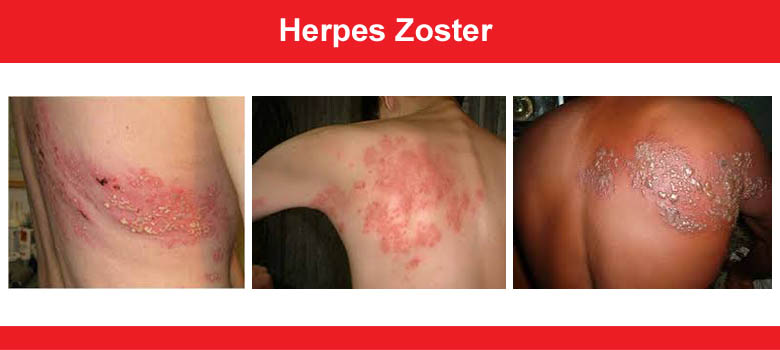
Herpes zoster
Herpes zoster commonly known as shingles, it is a viral disease characterized by a painful skin rash with blisters in a limited area on one side of the body (left or right), often in a stripe. The initial infection with varicella zoster virus (VZV) causes the acute, short-lived illness chickenpox which generally occurs in children … Continue reading Herpes zoster
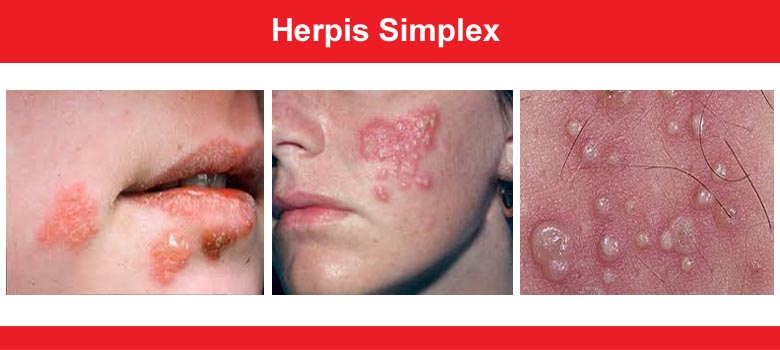
Herpes
Herpes simplex It is simply known as Herpes. Herpes simplex is a viral disease caused by herpes simplex viruses; both herpes simplex virus 1 (HSV-1) and herpes simplex virus 2 (HSV-2) cause herpes simplex. Acute viral infectious disease characterised by grouped itchy, vesicular eruptions on skin and mucous membranes. Herpes simplex is most easily transmitted … Continue reading Herpes
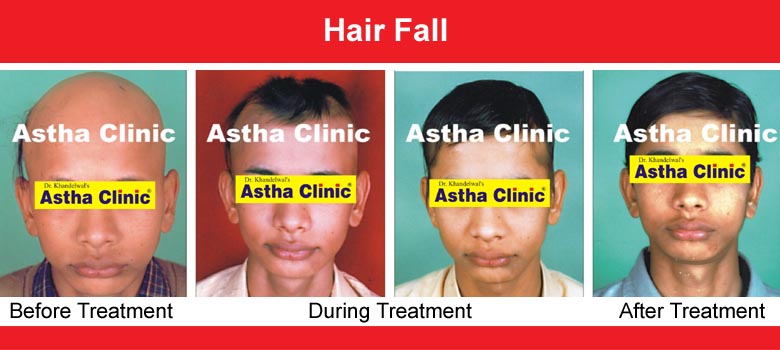
Hair Loss (Hair Falling)
People have between 100,000 and 150,000 hairs on their head. The number of strands normally lost in a day varies, but on average is 100. In order to maintain a normal volume, hair must be replaced at the same rate at which it is lost. The first signs of hair thinning that people will often … Continue reading Hair Loss (Hair Falling)
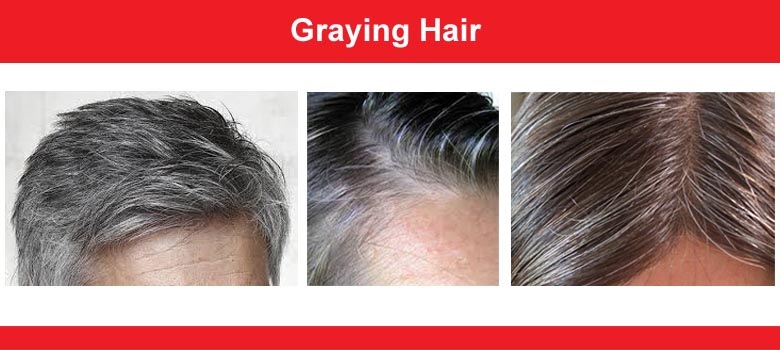
Hair Graying (Premature Graying)
It is normal to see an aged person with grey hair, but in the present times, even young men and women complain of grey hair. Premature graying of hair makes a person look much older than his/her age. Our hair follicles contain a pigment called melanin. When the body stops producing the pigments hair start … Continue reading Hair Graying (Premature Graying)
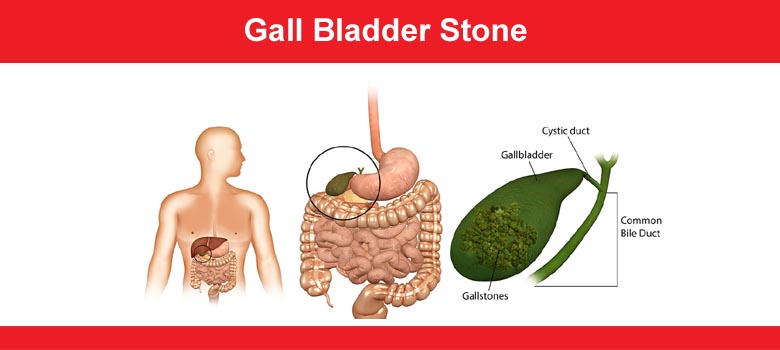
Gall Bladder Stone
The gall bladder is a small pear-shaped organ on the underside of the liver that is used to store bile. Bile is made in the liver and is stored in the gall bladder until it is needed to help the digestion of fat.Gallbladder disease is a common condition that affects mainly women, although men can … Continue reading Gall Bladder Stone

Frigidity (Low Sex Desire in Women)
Loss of sexual desire (frigidity) is common sexual dysfunction among women known as hypoactive sexual disorder (HSD). It is almost seen in women who suffer from mental stress or physical illness. One of the striking features is that at the time of intercourse male partner get early discharge to achieve an orgasm of female. If … Continue reading Frigidity (Low Sex Desire in Women)

Female Infertility
When a woman during reproductive age is unable to conceive after 1 year of unprotected vaginal intercourse, then it is termed as infertility. There can be a number of acquired or genetic conditions that can cause infertility in a woman. The acquired conditions are age, tobacco smoking, sexually transmitted diseases, body weight , eating disorders … Continue reading Female Infertility
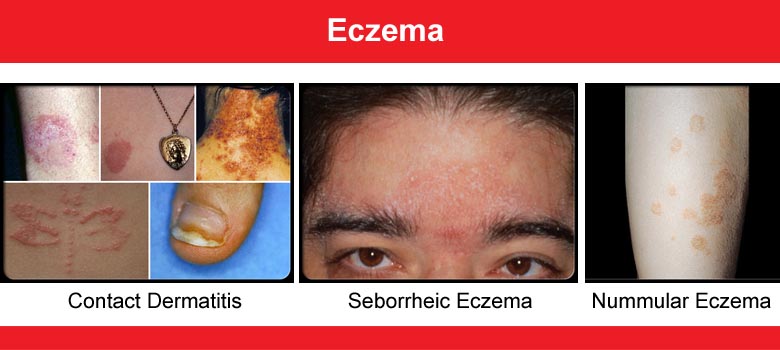
Eczema
Eczema is “a general term for any superficial inflammatory process involving the epidermis primarily, marked early by redness, itching, minute papules and vesicles, weeping, oozing and crusting, and later by scaling, lichenification and often pigmentation.”1 It is also used specifically to refer to the condition atopic dermatitis. Types of eczema Allergic contact eczema (dermatitis) A … Continue reading Eczema
Dysuria (Burning Micturition)
Dysuria is a symptom of pain, discomfort or burning when urinating. It is more common in women than in men. Causes of Dysuria Infections: Urinary tract infections (UTIs) are one of the leading causes of painful urination. Infections can occur in any part of the urinary tract including: Kidneys Ureters (tubes that carry urine from … Continue reading Dysuria (Burning Micturition)
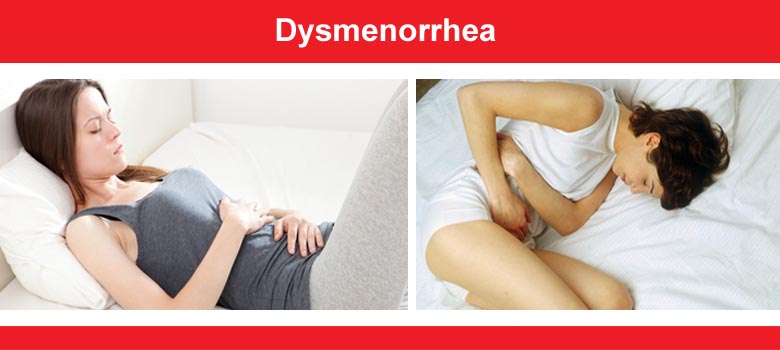
Dysmenorrhea (Painful Menses)
Dysmenorrhea is the medical term for the painful cramps that may occur immediately before or during the menstrual period. There are two types of dysmenorrhea: primary dysmenorrhea and secondary dysmenorrhea. Primary dysmenorrhea is another name for common menstrual cramps. Cramps usually begin one to two years after a woman starts getting her period. Pain usually … Continue reading Dysmenorrhea (Painful Menses)
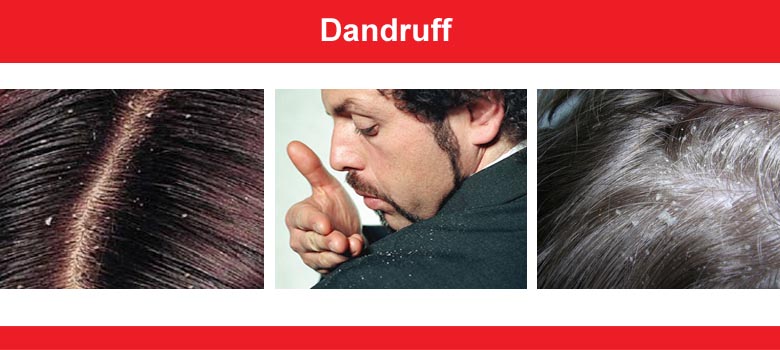
Dandruff (seborrhea)
Severe dryness of scalp resulting in Dandruff. Dandruff is a common scalp disorder affecting almost half of the population at the post-pubertal age and of any gender and ethnicity. It often causes itching. It has been well established that keratinocytes play a key role in the expression and generation of immunological reactions during dandruff formation. … Continue reading Dandruff (seborrhea)

diabetes
Diabetes Diabetes, often referred by doctors as diabetes mellitus, describes a group of metabolic diseases in which the person has high blood glucose (blood sugar), either because insulin production is inadequate, or because the body’s cells do not respond properly to insulin, or both. Patients with high blood sugar will typically experience polyuria (frequent urination), … Continue reading diabetes
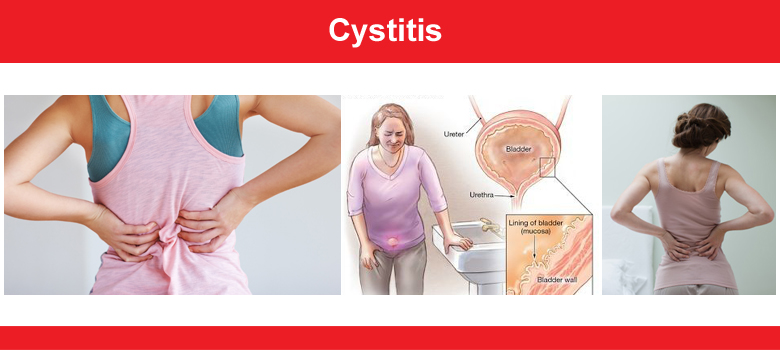
Cystitis
Cystitis is a common condition found more commonly in females. It is a condition where there is an inflammation of urinary bladder, frequently caused by bacterial infection that has gained access to the bladder. Cystitis is more commonly found in women because a woman’s urethra is shorter than a man’s urethra, making it easier for … Continue reading Cystitis
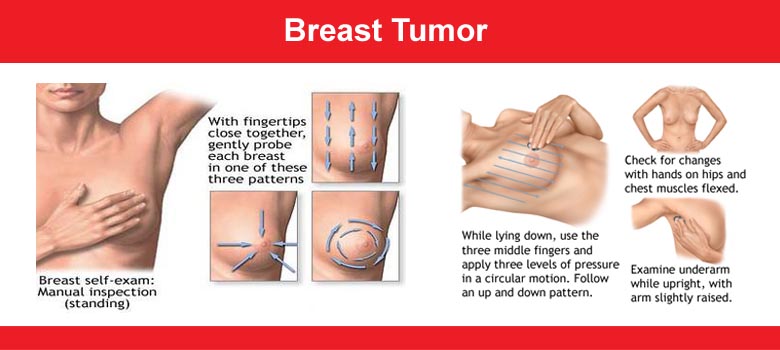
Breast Tumor (Fibroadenoma)
Breast changes are common. From the time a girl begins to develop breasts, begins menstruating and throughout life, women may experience various kinds of breast pain and other breast changes. Some of these changes normally occur during the menstrual cycle, during pregnancy, and with aging. Breast lumps, tenderness, and other changes may occur. Most breast … Continue reading Breast Tumor (Fibroadenoma)
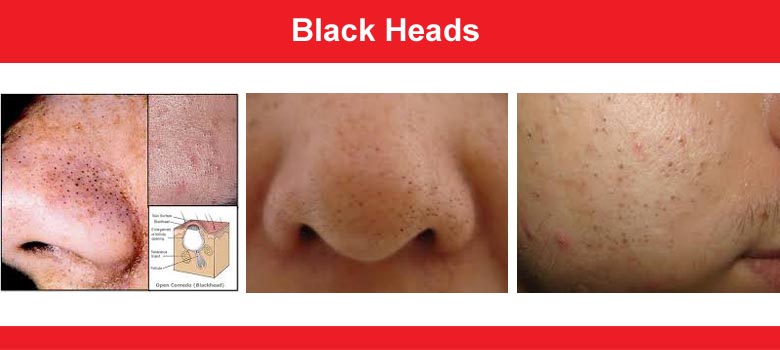
Blackheads – Whiteheads
Oil, dead skin cells, keratin ,sebum and bacteria block pores and cause small bumps called blackheads or whiteheads. If a blocked pore stays open, it can look kind of black and is called a blackhead. If a blocked pore closes up, the top of the bump looks more white. So it’s called a whitehead. Blackheads … Continue reading Blackheads – Whiteheads
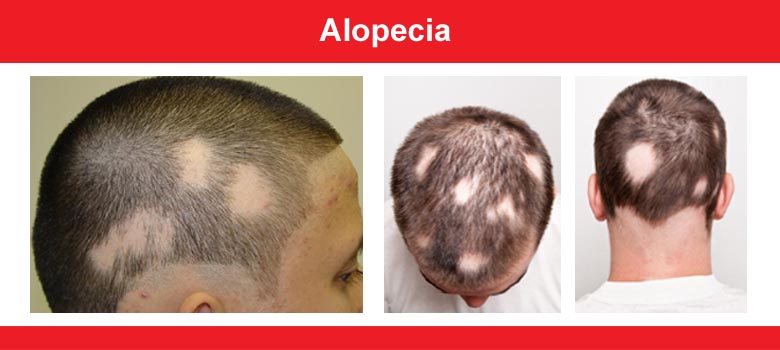
Alopecia
Alopecia areata Alopecia areata is an autoimmune disorder also known as “spot baldness” that can result in hair loss but it can also spread to the entire scalp (alopecia totalis) or to the entire body (alopecia universalis). Gradual thinning of hair with age is a natural condition known as involutional alopecia. This is caused by … Continue reading Alopecia
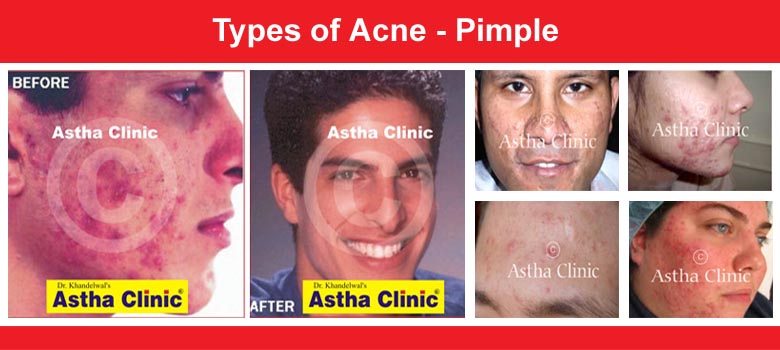
Acne (Pimples)
Acne is a skin condition that occurs when your hair follicles become plugged with oil and dead skin cells. Acne most commonly appears on your face, neck, chest, back and shoulders. Acne can be distressing and annoyingly persistent. Acne lesions heal slowly, and when one begins to resolve, others seem to crop up. Causes of … Continue reading Acne (Pimples)